

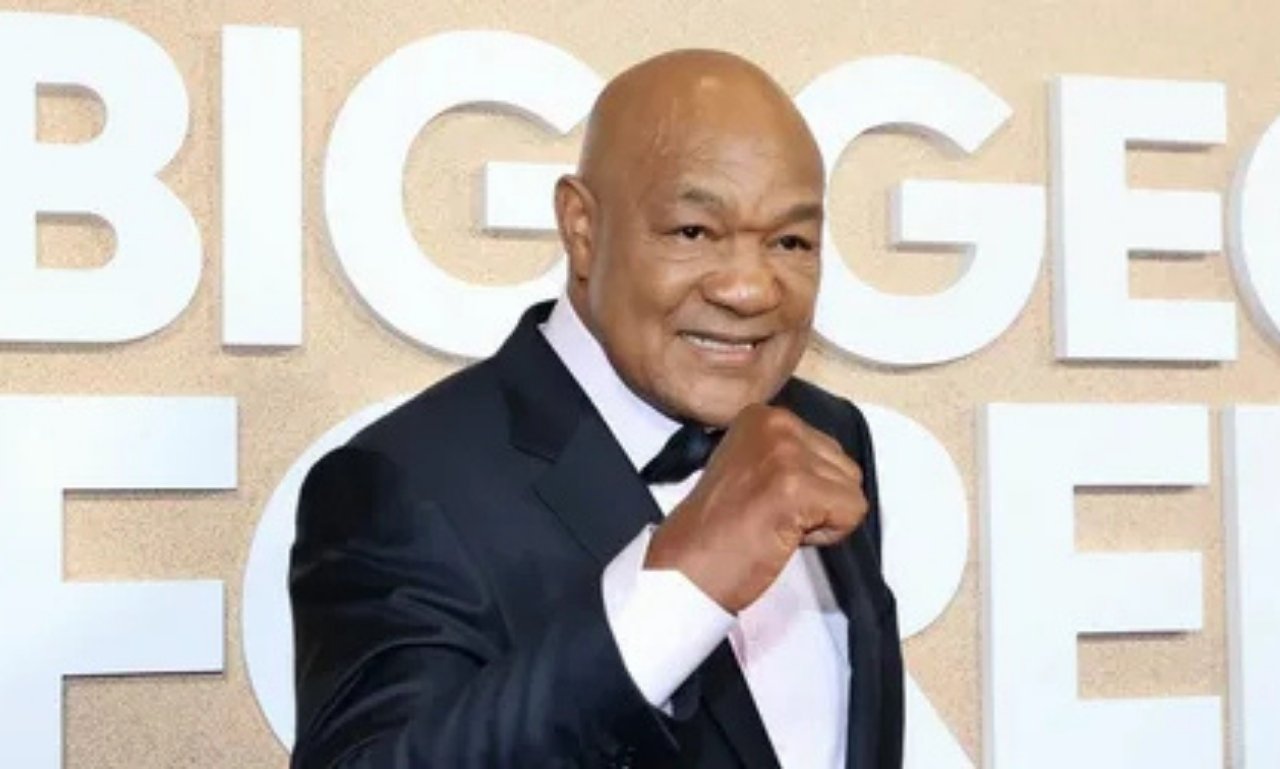
George Foreman was an American professional boxer, entrepreneur, author, and former Olympic gold medalist who became one of the most recognizable figures in sports and business. Born on January 10, 1949, in Marshall, Texas, he won a gold medal in heavyweight boxing at the 1968 Olympics and later became a two-time world heavyweight champion. His powerful punching style and memorable victories made him one of boxing’s greatest heavyweight fighters.
After retiring and later returning to boxing, Foreman became equally famous for his business career, particularly through the George Foreman Grill, which became a hugely successful consumer product. He also worked as a television personality, minister, and author. His remarkable journey from boxing champion to successful entrepreneur made George Foreman an enduring cultural icon.
What Was George Foreman’s Net Worth?
George Foreman net worth was estimated to be around $300 million at the time of his death in 2025. His fortune came from a combination of professional boxing earnings, endorsement deals, business ventures, licensing agreements, media appearances, and the enormous success of the George Foreman Grill.
Foreman’s financial story is different from many athletes. While boxing made him famous, his greatest wealth creation happened after he stepped away from the ring. Through smart branding and a historic licensing partnership, he transformed himself from a retired heavyweight champion into one of the most successful athlete entrepreneurs in history.
George Foreman died on March 21, 2025, at the age of 76. His passing marked the end of a remarkable life that included Olympic success, two heavyweight championships, a famous comeback, and one of the most profitable athlete-product partnerships ever created.
Methodology Note: Estimated net worth figures are based on publicly available information, including reported boxing earnings, business interests, endorsement agreements, licensing income, assets, and industry estimates. The figure is not an officially verified financial statement.
Quick Facts
| Information | Details |
| Full Name | George Edward Foreman |
| Date of Birth | January 10, 1949 |
| Date of Death | March 21, 2025 |
| Age at Death | 76 years old |
| Birthplace | Marshall, Texas, United States |
| Nationality | American |
| Profession | Professional Boxer, Entrepreneur, Author, Minister, Television Personality |
| Estimated Net Worth | Approximately $300 million |
| Spouse | Mary Joan Martelly |
| Children | 12 |
| Boxing Record | 76 wins, 5 losses, 68 knockouts |
| Famous For | Two-time Heavyweight Champion, Olympic Gold Medalist, George Foreman Grill |
George Foreman’s Estimated Net Worth
George Foreman’s estimated $300 million fortune was built through multiple income streams developed over more than five decades.
Unlike many professional boxers who accumulate wealth primarily through fight purses, Foreman created a long-term financial legacy by turning his name into a global brand. His career demonstrates how athletes can extend their earning potential beyond competition through entrepreneurship and strategic partnerships.
His wealth sources included:
- Professional boxing purses
- Heavyweight championship fights
- Endorsements
- Television appearances
- Books and speaking engagements
- Product licensing
- George Foreman Grill royalties
- Business investments
The biggest contributor to his fortune was widely considered to be the George Foreman Grill, a product partnership that changed how athletes approached endorsements.
Instead of accepting a one-time promotional payment, Foreman participated in a licensing arrangement that allowed him to benefit from product sales. This decision created a continuing revenue stream and became one of the most successful examples of athlete branding.
How George Foreman Built His Wealth
Professional Boxing Earnings
Boxing was the foundation of George Foreman’s fame and financial success.
Born in Marshall, Texas, and raised in Houston, Foreman had a difficult childhood before discovering boxing. His athletic talent became apparent after joining the Job Corps, where he began training under coach Doc Broadus.
His amateur career reached its peak when he represented the United States at the 1968 Summer Olympics in Mexico City, winning a gold medal in the heavyweight division.
After turning professional in 1969, Foreman quickly became one of boxing’s most dangerous knockout artists. His incredible punching power helped him rise through the heavyweight rankings and earn major fight opportunities.
In 1973, Foreman defeated Joe Frazier to win the heavyweight championship of the world. The victory established him as one of the dominant fighters of his generation.
His biggest boxing moments included:
- Winning the heavyweight title in 1973
- Defeating Joe Frazier by technical knockout
- Fighting Muhammad Ali in the historic Rumble in the Jungle
- Returning to boxing after a 10-year retirement
- Becoming the oldest heavyweight champion in history in 1994
Although Foreman earned millions from boxing, the sport represented only one part of his overall financial journey.
The George Foreman Grill: The Business Deal That Changed His Fortune
The biggest financial turning point in George Foreman’s life came outside boxing.
In the 1990s, Foreman became the spokesperson for the George Foreman Lean Mean Fat-Reducing Grilling Machine, commonly known as the George Foreman Grill.
The product became extremely popular because it offered consumers a simple way to cook food while reducing fat. Foreman’s friendly personality and trusted reputation helped make the grill a household name.
The partnership with Salton Inc. became one of the most successful athlete licensing deals ever.
Unlike traditional celebrity endorsements, where a celebrity receives a fixed fee, Foreman reportedly earned money through licensing arrangements connected to product sales. This allowed him to benefit from the grill’s commercial success.
The George Foreman Grill reportedly sold tens of millions of units worldwide and became a textbook example of how an athlete can build wealth through intellectual property and brand partnerships.
The success of the grill helped change public perception of Foreman. He was no longer viewed only as a powerful heavyweight boxer; he became a successful businessman and marketing personality.
Brand Endorsements and Media Income
George Foreman’s recognizable personality created opportunities beyond boxing and consumer products.
After his comeback, Foreman became known for his calm, humorous, and family-friendly image. This helped him connect with a much wider audience than traditional sports fans.
His additional income sources included:
- Television commercials
- Brand partnerships
- Public appearances
- Motivational speaking
- Media interviews
- Books and publishing
His ability to reinvent himself made him attractive to companies looking for trustworthy celebrity ambassadors.
Early Life and Education
George Edward Foreman was born on January 10, 1949, in Marshall, Texas. He grew up in Houston’s Fifth Ward neighborhood, where he experienced poverty and personal challenges during his early years.
As a teenager, Foreman struggled with anger and discipline issues. His life changed when he joined the Job Corps, a federal program designed to help young people develop skills and direction.
During this period, he discovered boxing and found a path that would eventually lead him to Olympic success.
Under the guidance of coach Doc Broadus, Foreman developed his powerful fighting style. His strength, determination, and athletic ability quickly separated him from other young fighters.
His amateur career reached its highest point at the 1968 Olympics in Mexico City, where he won heavyweight gold for the United States.
That victory opened the door to his professional career and introduced the world to one of boxing’s most memorable champions.
Career Journey
1969: Professional Boxing Debut
George Foreman entered professional boxing after winning Olympic gold. His aggressive style and knockout power quickly made him a rising star in the heavyweight division.
1973: First Heavyweight Championship
Foreman defeated Joe Frazier in Kingston, Jamaica, to become heavyweight champion of the world. The victory was one of the most dominant championship performances in boxing history.
1974: Rumble in the Jungle Against Muhammad Ali
Foreman defended his title against Muhammad Ali in Kinshasa, Zaire, in one of the most famous fights ever held.
Ali used his legendary “rope-a-dope” strategy to defeat Foreman, handing him one of the most important losses of his career.
1977: First Retirement
After losing to Jimmy Young, Foreman retired from boxing and focused on religion, family, and community work.
During his retirement, he became a minister and devoted significant time to helping others.
1987: Historic Boxing Comeback
After nearly a decade away from competition, Foreman returned to professional boxing at age 38.
Many questioned whether a former champion could compete against younger fighters, but Foreman proved critics wrong by rebuilding his career.
1994: Oldest Heavyweight Champion in History
At age 45, Foreman defeated Michael Moorer to win the heavyweight championship again.
This victory made him the oldest heavyweight champion in boxing history and became one of the greatest comeback stories in sports.
Major Achievements
George Foreman’s legacy extends far beyond his accomplishments inside the boxing ring. He became one of the rare athletes who successfully transitioned from sports into business, entertainment, and entrepreneurship.
His career represents two different types of success: athletic dominance during his boxing years and financial success through brand building after retirement.
Boxing Achievements
Foreman’s boxing achievements place him among the greatest heavyweight fighters in history.
His major accomplishments include:
- Winning a gold medal in heavyweight boxing at the 1968 Summer Olympics in Mexico City
- Becoming heavyweight champion of the world in 1973
- Defeating Joe Frazier to capture his first world heavyweight title
- Winning 76 professional fights, including 68 victories by knockout
- Returning from retirement and becoming heavyweight champion again in 1994
- Becoming the oldest heavyweight champion in boxing history at age 45
- Being inducted into the International Boxing Hall of Fame in 2003
Foreman’s combination of power, longevity, and ability to reinvent himself helped him become one of boxing’s most recognizable figures.
Business and Entrepreneurial Achievements
While George Foreman became famous as a boxer, his greatest financial achievement came through entrepreneurship.
The success of the George Foreman Grill turned him into one of the most financially successful retired athletes. His business strategy became an example of how athletes can create wealth by developing partnerships that go beyond traditional endorsements.
His entrepreneurial achievements include:
- Building a globally recognized consumer product brand
- Creating a profitable licensing partnership
- Expanding his personal brand beyond boxing
- Becoming a successful author and motivational speaker
- Developing a reputation as an athlete-business pioneer
Foreman’s story is often compared with other athlete entrepreneurs because he successfully converted fame into long-term financial value.
Assets and Lifestyle
George Foreman maintained a successful lifestyle built through decades of professional achievements and business success. Unlike some celebrities who became known for extravagant spending, Foreman often emphasized family, faith, and financial responsibility.
Real Estate
Foreman owned valuable properties during his lifetime, particularly in Texas, where he maintained strong personal and business connections.
His homes reflected his success as a champion and entrepreneur, offering space for his large family while maintaining privacy away from constant media attention.
Cars and Personal Interests
As a former heavyweight champion, Foreman had an appreciation for automobiles and enjoyed collecting vehicles. However, his public image focused more on business, family, and philanthropy than luxury possessions.
Philanthropy
Throughout his life, Foreman used his platform to support young people and encourage personal development.
His journey from a difficult childhood to Olympic champion and successful entrepreneur became an inspiration for many people facing challenges.
Personal Life
George Foreman’s personal life was an important part of his public identity. After becoming a boxing champion, he transformed his image and became known as a family-focused entrepreneur.
Foreman married Mary Joan Martelly in 1985. The couple remained married until his death in 2025.
George Foreman had 12 children, including five sons and seven daughters.
His five sons were all named George Foreman:
- George Foreman Jr.
- George Foreman III
- George Foreman IV
- George Foreman V
- George Foreman VI
Foreman explained that giving his sons the same name represented family unity and created a lasting connection between generations.
Several of his children became involved in entrepreneurship, boxing-related activities, and business projects connected to the Foreman family name.
When Did George Foreman Die?
George Foreman died on March 21, 2025, at the age of 76.
His family announced his passing and remembered him as a devoted husband, father, grandfather, minister, Olympic gold medalist, and two-time heavyweight champion.
The official cause of death was not publicly disclosed.
Following his death, tributes came from across the sports world, with many former fighters, athletes, and fans recognizing Foreman’s influence both as a boxer and entrepreneur.
His legacy continued through:
- His historic boxing achievements
- The success of the George Foreman Grill brand
- His motivational work
- His influence on athlete entrepreneurship
George Foreman Net Worth Growth Timeline
Exact year-by-year net worth figures are not publicly available because Foreman’s personal finances were private. The following timeline highlights major career and business events that contributed to his estimated wealth.
| Year | Major Event | Financial Impact |
| 1968 | Won Olympic gold medal in heavyweight boxing | Established international recognition |
| 1969 | Turned professional boxer | Began earning income through fights |
| 1973 | Won first heavyweight championship | Increased fight purses and endorsement opportunities |
| 1974 | Fought Muhammad Ali in Rumble in the Jungle | Became a global sports personality |
| 1977 | Retired from boxing | Shifted focus toward ministry and personal development |
| 1987 | Returned to professional boxing | Created new earning opportunities |
| 1994 | Became oldest heavyweight champion in history | Increased worldwide attention and brand value |
| 1990s | Launched George Foreman Grill partnership | Created major licensing income |
| 2000s | Expanded business and media presence | Strengthened long-term financial legacy |
| 2025 | Passed away at age 76 | Left behind a major sports and business legacy |
Interesting Facts About George Foreman
1. He Won Olympic Gold Before Becoming a Professional Champion
Before becoming a heavyweight boxing legend, Foreman represented the United States at the 1968 Olympics and won gold.
2. He Became Champion Twice
Foreman first won the heavyweight title in 1973 and later regained it in 1994 after making one of the greatest comebacks in sports history.
3. The George Foreman Grill Changed Athlete Marketing
The grill became one of the most successful celebrity-endorsed products ever and showed how athletes could build wealth through licensing.
4. He Was a Minister During His First Retirement
After leaving boxing in the late 1970s, Foreman dedicated much of his life to religion and community work.
5. He Returned to Boxing at 38
Many believed his boxing career was over, but Foreman successfully competed against younger fighters and eventually became champion again.
6. He Had One of Boxing’s Highest Knockout Ratios
Out of his 76 professional victories, 68 came by knockout, highlighting his incredible punching power.
Frequently Asked Questions About George Foreman
What was George Foreman’s net worth when he died?
George Foreman’s estimated net worth was around $300 million at the time of his death in 2025. His fortune came from boxing, endorsements, licensing income, and the success of the George Foreman Grill.
How did George Foreman make most of his money?
George Foreman made most of his wealth through the George Foreman Grill business. While boxing created his fame, the licensing agreement for the grill became his biggest financial success.
Did George Foreman earn more money from boxing or the grill?
George Foreman earned more money from the George Foreman Grill than from boxing. His fight career established his reputation, but his business partnership created the majority of his wealth.
What was George Foreman’s boxing record?
George Foreman finished his professional boxing career with:
- 76 wins
- 68 knockout victories
- 5 losses
His knockout power made him one of the most feared heavyweight fighters in history.
Who was George Foreman’s wife?
George Foreman’s wife was Mary Joan Martelly. They married in 1985 and remained together until Foreman’s death in 2025.
How many children did George Foreman have?
George Foreman had 12 children: five sons and seven daughters. All five of his sons were named George Foreman.
What was George Foreman famous for besides boxing?
Besides boxing, George Foreman was famous for the George Foreman Grill, entrepreneurship, motivational speaking, and his successful transformation into a business personality.
Was George Foreman a billionaire?
No. George Foreman was not a billionaire. His estimated net worth was approximately $300 million, making him one of the wealthiest retired athletes but below billionaire status.
What was George Foreman’s biggest achievement?
Although his two heavyweight championships were historic, many consider his creation of the George Foreman Grill business empire one of his greatest achievements because it created long-term financial success.
What was George Foreman’s cause of death?
George Foreman’s family announced his death on March 21, 2025. The official cause of death was not publicly released.
Final Thoughts: George Foreman’s Financial Legacy
George Foreman’s story is one of the most remarkable examples of reinvention in sports history. He began his journey as a young boxer from Houston, became an Olympic gold medalist, captured the heavyweight championship, and later rebuilt his career into a successful business empire.
His estimated $300 million net worth was not created only through boxing victories. The biggest transformation came when he used his reputation, personality, and business understanding to create lasting value through the George Foreman Grill.
Foreman proved that an athlete’s earning potential does not have to end after retirement. His career showed the power of personal branding, strategic partnerships, and entrepreneurship.
From heavyweight champion to global entrepreneur, George Foreman left behind a legacy that reached far beyond the boxing ring. His influence continues as one of the clearest examples of how athletes can turn fame into long-term wealth and create an impact that lasts for generations.
Related Posts
Palmer Luckey Net Worth: Remarkable Career and Wealth Growth