

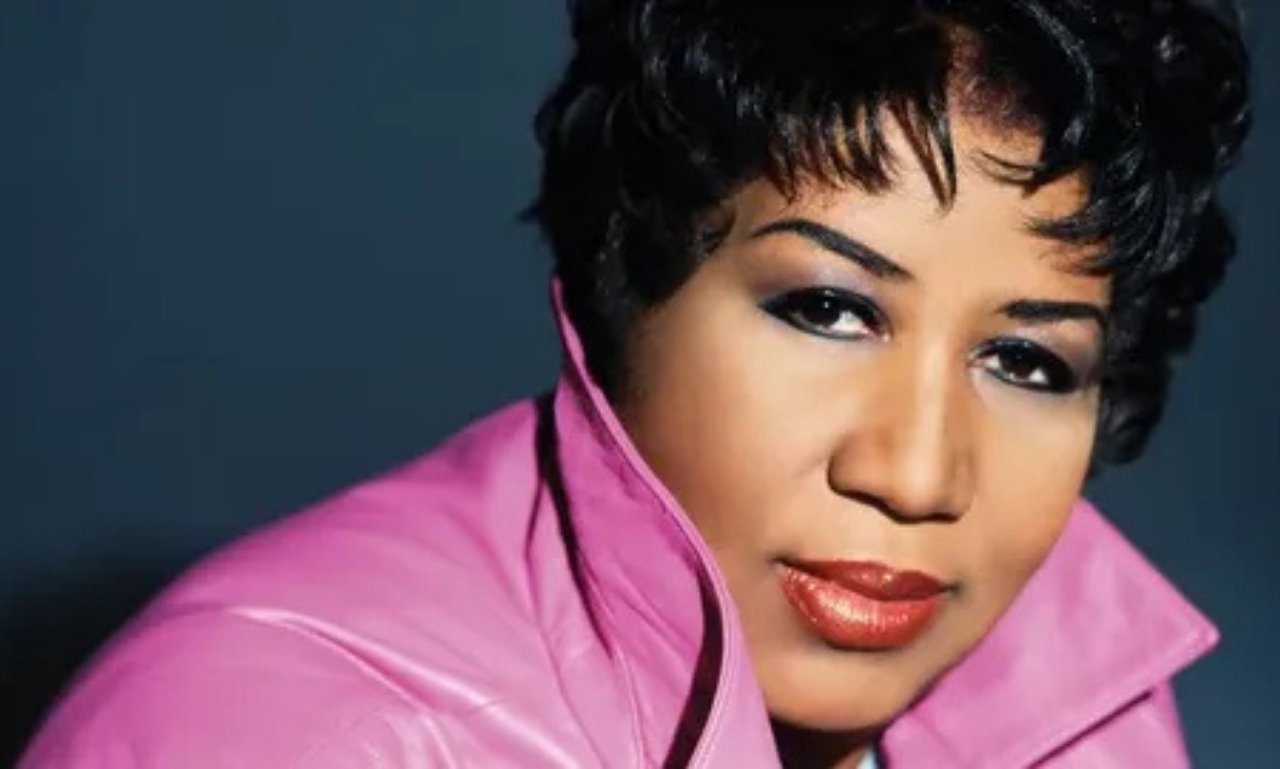
Aretha Franklin was an iconic American singer, songwriter, and pianist widely known as the “Queen of Soul.” Born on March 25, 1942, in Memphis, Tennessee, she began singing gospel music as a child and went on to become one of the most influential voices in music history. Her powerful vocals and emotional performances produced timeless hits such as Respect, (You Make Me Feel Like) A Natural Woman, and Chain of Fools.
Throughout her career, Aretha Franklin earned numerous honors, including 18 Grammy Awards, and became the first woman inducted into the Rock and Roll Hall of Fame in 1987. She also performed at major historic events and influenced generations of singers across soul, R&B, gospel, and pop music. Franklin died on August 16, 2018, but her music and legacy continue to have a lasting impact on the entertainment industry.
What Was Aretha Franklin’s Net Worth?
Aretha Franklin’s net worth was estimated to be around $80 million at the time of her death in 2018, based on publicly available reports and estate estimates. However, the exact value of her financial estate was never a simple fixed figure because it involved factors such as real estate holdings, music-related income, taxes, expenses, debts, and legal proceedings after her passing.
Known around the world as the Queen of Soul, Aretha Franklin built her wealth through one of the most successful music careers in history. Her income came primarily from record sales, concert performances, recording royalties, licensing opportunities, and other entertainment-related earnings.
Unlike some modern celebrities who accumulated wealth through large business ventures, Franklin’s financial success was closely connected to her artistic achievements. Her greatest asset was her legendary music catalog, which continued generating value through streaming, licensing, and renewed interest in her recordings.
Born in Memphis, Tennessee, and raised in Detroit, Michigan, Franklin developed her extraordinary vocal abilities through gospel music before becoming one of the most influential singers of the 20th century. Songs like “Respect,” “Think,” “Chain of Fools,” and “(You Make Me Feel Like) A Natural Woman” helped define soul music and created a legacy that continues today.
Quick Facts About Aretha Franklin
| Information | Details |
| Full Name | Aretha Louise Franklin |
| Known As | Queen of Soul |
| Birth Date | March 25, 1942 |
| Birthplace | Memphis, Tennessee, United States |
| Date of Death | August 16, 2018 |
| Age at Death | 76 years old |
| Nationality | American |
| Profession | Singer, songwriter, pianist |
| Genres | Soul, R&B, Gospel, Jazz |
| Active Years | 1956–2018 |
| Estimated Net Worth | Approximately $80 million (reported estimate; exact estate value varied) |
| Marital Status | Married twice |
| Children | Four sons |
| Famous Songs | “Respect,” “Think,” “Chain of Fools,” “(You Make Me Feel Like) A Natural Woman” |
Aretha Franklin’s Estimated Net Worth
Aretha Franklin’s estimated fortune reflected more than six decades of work as a singer, songwriter, and performer. While her cultural impact was enormous, her financial story shows how wealth in the music industry depends on many factors beyond popularity.
Throughout her career, Franklin generated income from several areas, including:
- Album sales and recordings
- Concert performances
- Music royalties
- Licensing agreements
- Television appearances
- Special performances
- Long-term value from her music catalog
Her breakthrough period began after signing with Atlantic Records in the mid-1960s. Under the guidance of producer Jerry Wexler, Franklin developed the powerful soul sound that became her signature.
Her Atlantic Records era produced some of her most recognizable songs, including “Respect,” “Chain of Fools,” and “Think.” These recordings not only transformed her career but also created valuable intellectual property that continued producing income for decades.
However, fame and financial success do not always move together. Although Franklin was one of the most celebrated artists in history, she was not a billionaire. Her wealth was shaped by recording contracts, ownership arrangements, professional expenses, and the broader economics of the music industry.
After her death in 2018, discussions about her estate highlighted another important financial lesson: even highly successful entertainers need careful estate planning. Multiple handwritten wills discovered after her passing resulted in legal disputes among family members over how her assets should be handled.
Sources of Income
Music Royalties and Recording Income
The foundation of Aretha Franklin’s net worth came from her extraordinary music career. Over more than 60 years, she released numerous albums and created a catalog of songs that remained commercially valuable.
Her income from music came through several channels:
- Record sales
- Digital streaming
- Radio performance royalties
- Licensing agreements
- Compilation releases
- Film and television placements
Franklin’s recordings continued attracting listeners long after their original release. Songs such as “Respect” became cultural landmarks, increasing the long-term value of her recorded works.
The music industry has changed significantly since Franklin’s early career. While artists in earlier decades relied heavily on album sales and touring, modern revenue streams include streaming platforms and licensing deals that allow classic recordings to generate ongoing income.
Concert Performances and Touring Revenue
Live performances were another important source of income throughout Franklin’s career.
As one of the most respected vocalists in the world, Franklin performed at:
- International concerts
- Music festivals
- Award ceremonies
- Television specials
- Presidential events
Her reputation as a legendary performer allowed her to remain in demand across multiple generations.
Unlike artists whose popularity declines after their biggest hits, Franklin maintained a strong audience because of her vocal ability and historical importance in music.
Songwriting, Publishing, and Licensing
Franklin’s financial legacy was also connected to songwriting and music publishing.
Successful songs can continue generating revenue through:
- Commercial licensing
- Movies
- Television shows
- Streaming services
- Public performances
Although the exact ownership structure of every recording and publishing right is not publicly available, Franklin benefited financially from the continued use and popularity of her musical works.
Her songs became part of American cultural history, which helped maintain their commercial value over time.
Television, Film, and Special Appearances
Aretha Franklin expanded her career beyond traditional recordings through television and film appearances.
One of her most memorable appearances came in The Blues Brothers, where she performed the song “Think.”
She also appeared in numerous television specials and major music events, strengthening her visibility with audiences around the world.
These appearances contributed to her earnings while further establishing her reputation as a cultural icon.
Early Life and Education
Aretha Louise Franklin was born on March 25, 1942, in Memphis, Tennessee. Her father was C. L. Franklin, a nationally recognized Baptist preacher known for his powerful sermons.
When Aretha was young, her family moved to Detroit, Michigan, where she grew up surrounded by gospel music and religious influences. Her father’s church played an important role in developing her early musical abilities.
Franklin learned piano at a young age and developed her distinctive vocal style through gospel performances. She was exposed to a variety of musical traditions, including gospel, blues, jazz, and rhythm and blues.
Although she did not follow a traditional university education path, her early musical environment provided the foundation for one of the most successful careers in entertainment history.
By her teenage years, Franklin was already performing publicly and recording music. Her gospel background became a defining element of her sound and later helped her transform soul music worldwide
Career Journey: The Rise of the Queen of Soul
Aretha Franklin’s career journey represents one of the most remarkable transformations in music history. From a young gospel performer in Detroit to an international symbol of soul music, Franklin built a legacy that influenced generations of singers.
Her estimated wealth was created through decades of professional success, but her historical importance goes far beyond financial figures. Her voice, recordings, and cultural influence made her one of the most respected artists of all time.
Early Career and Columbia Records Era (1956–1966)
Aretha Franklin began her recording career as a teenager. In 1956, she released her first gospel album, “Songs of Faith,” which showcased the vocal power she developed through church performances.
At the age of 18, Franklin signed with Columbia Records. During this period, she recorded a variety of songs influenced by jazz, pop, and rhythm and blues.
Although her Columbia recordings demonstrated her talent, the label had not yet found the style that would define her career. Franklin was still developing as an artist and searching for the musical direction that would later make her famous.
This period was important because it helped her gain professional experience, improve her songwriting abilities, and establish herself within the music industry.
Breakthrough With Atlantic Records (1967–1972)
Franklin’s career changed dramatically after signing with Atlantic Records in 1966.
Working with producer Jerry Wexler, she embraced a more powerful soul sound that combined gospel influences with rhythm and blues.
Her 1967 album “I Never Loved a Man the Way I Love You” became a major breakthrough. It included her legendary recording of “Respect,” a song that became one of the most influential recordings in popular music.
Other major hits from this era included:
- “Chain of Fools”
- “Think”
- “(You Make Me Feel Like) A Natural Woman”
- “I Never Loved a Man (The Way I Love You)”
This success increased her earnings through record sales, performances, and growing demand as a live entertainer.
Expanding Her Legacy During the 1970s and 1980s
During the 1970s, Franklin continued releasing successful albums and performing around the world.
One of the highlights of this period was her gospel album “Amazing Grace” (1972). The album became one of the most successful gospel recordings ever released and demonstrated her ability to connect religious music with mainstream audiences.
In the 1980s, Franklin experienced another major career resurgence. Her 1985 album “Who’s Zoomin’ Who?” introduced her music to a new generation and included the hit song “Freeway of Love.”
She also gained renewed popularity through collaborations and television appearances, proving her ability to remain relevant across changing musical eras.
Later Career and Final Years (1990–2018)
Aretha Franklin continued recording and performing throughout the 1990s and 2000s.
She remained a respected figure in the entertainment industry and frequently appeared at major cultural events. Her performances continued attracting audiences because of her unmatched vocal ability and historic reputation.
Important moments from her later career included:
- Receiving the Grammy Lifetime Achievement Award in 1994
- Receiving the Presidential Medal of Freedom in 2005
- Performing at Barack Obama First Presidential Inauguration
- Continuing concerts and special appearances into the final years of her life
Aretha Franklin passed away on August 16, 2018, at the age of 76. She left behind a legendary catalog of music and one of th
Major Achievements and Awards
Aretha Franklin’s accomplishments helped define her reputation as one of the greatest singers ever.
Her major achievements include:
- Winning 18 Grammy Awards
- Receiving the Grammy Lifetime Achievement Award
- Becoming the first woman inducted into the Rock and Roll Hall of Fame in 1987
- Receiving the Kennedy Center Honors in 1994
- Receiving the Presidential Medal of Freedom in 2005
- Being inducted into the Gospel Music Hall of Fame
- Recording some of the most influential songs in American music history
Franklin’s influence extended beyond entertainment. Her recording of “Respect” became associated with social change and became an anthem connected to civil rights and equality movements.
Assets and Lifestyle
Public information about Aretha Franklin’s personal assets is limited. Unlike many modern celebrities, Franklin did not publicly build a large business empire or frequently promote her private lifestyle.
Her most valuable financial assets were connected to her music career.
Real Estate Holdings
Franklin owned homes and property in Michigan, including residences connected to her long career.
The exact value of her real estate holdings changed over time and was affected by market conditions, maintenance costs, and estate proceedings.
Music Catalog Value
One of the most important parts of Franklin’s financial legacy was the continued value of her music.
A successful music catalog can generate revenue through:
- Streaming platforms
- Radio broadcasts
- Film placements
- Television licensing
- Commercial usage
- Tribute projects
Because Franklin created timeless recordings, her work continued producing economic value decades after release.
Personal Possessions and Memorabilia
As a legendary performer, Franklin owned valuable personal items connected to her career, including awards, memorabilia, and musical equipment.
However, specific valuations of these items have not been publicly confirmed.
Personal Life
Aretha Franklin maintained a relatively private personal life despite her worldwide fame.
She was married twice:
- Ted White (1961–1969)
- Glynn Turman (1978–1984)
Franklin had four sons:
- Clarence Franklin
- Edward Franklin
- Ted White Jr.
- Kecalf Cunningham
Following her death, her estate became the subject of legal proceedings after handwritten documents believed to represent her wishes were discovered.
The dispute highlighted an important financial lesson for high-net-worth individuals: having a clear and legally prepared estate plan can help reduce uncertainty for heirs.
Aretha Franklin Net Worth Growth Timeline
Exact year-by-year net worth figures for Aretha Franklin are not publicly verified. The following timeline focuses on major career and financial developments rather than unsupported wealth estimates.
| Period | Career and Financial Milestone |
| 1950s | Began performing gospel music and released early recordings |
| 1960s | Signed with Columbia Records and achieved breakthrough after joining Atlantic Records |
| 1970s | Expanded earnings through successful albums, concerts, and international recognition |
| 1980s | Experienced renewed commercial success with albums, collaborations, and performances |
| 1990s | Continued touring, recording, and receiving major industry honors |
| 2000s | Increased legacy value through awards, performances, and catalog recognition |
| 2010s | Maintained legendary status while her music continued generating long-term value |
Interesting Facts About Aretha Franklin
- Aretha Franklin was widely known as the Queen of Soul because of her unmatched influence on soul music.
- She started singing gospel music as a child and performed in her father’s church.
- Her song “Respect” became one of the most recognizable songs in American history.
- She was the first woman inducted into the Rock and Roll Hall of Fame.
- Franklin performed at Barack Obama’s first presidential inauguration in 2009.
- Her album “Amazing Grace” remains one of the most successful gospel albums ever recorded.
- She received recognition from both the music industry and the United States government.
Frequently Asked Questions About Aretha Franklin Net Worth
What was Aretha Franklin’s net worth when she died?
Aretha Franklin’s estimated net worth was around $80 million at the time of her death, although the final value of her estate varied depending on assets, debts, taxes, royalties, and legal matters.
How did Aretha Franklin make her money?
Aretha Franklin built her wealth through music recordings, concert performances, royalties, licensing agreements, television appearances, and the long-term value of her music catalog.
Was Aretha Franklin a billionaire?
No, Aretha Franklin was not a billionaire. Although she was one of the most influential singers in history, her estimated wealth remained in the multimillion-dollar range.
Did Aretha Franklin own her music rights?
Music ownership can involve multiple parties, including artists, record labels, publishers, and rights holders. Franklin earned income from her recordings and related royalties, but complete ownership details varied by song and agreement.
Who inherited Aretha Franklin’s estate?
Aretha Franklin’s estate became the subject of legal proceedings after her death because multiple handwritten wills were discovered. The final distribution of assets was handled through the legal process.
How much money did Aretha Franklin earn from royalties?
The exact amount of Franklin’s lifetime royalty earnings has not been publicly disclosed. However, her extensive catalog continued generating revenue through licensing, performances, and digital platforms.
Final Thoughts: Aretha Franklin’s Lasting Financial and Cultural Legacy
Aretha Franklin’s estimated net worth tells only part of her story. While her fortune was measured in millions, her influence on music and culture is considered immeasurable.
Through her extraordinary voice, unforgettable recordings, and historic achievements, Franklin changed the direction of soul music and inspired countless performers around the world.
Her financial legacy continues through her music catalog, royalties, and ongoing recognition of her work. More importantly, her artistic contribution remains one of the greatest achievements in entertainment history.
Aretha Franklin was not just a successful recording artist; she was a cultural institution whose impact continues long after her passing.
Related Posts
Kendra Scott Net Worth: How She Built Her Jewelry Empire
Mary Beth Barone Net Worth: Career, Earnings, Biography and Rise to Fame